The men who chartered the Hoo Shoo Too club in 1915 wanted exactly one thing: to get away from Baton Rouge. They rode out on the road that would later carry their name, past what was then called Clark Road, toward the banks of the Amite River, seeking what a 225 Baton Rouge report described as "out of civilization." A century later, the Metro Council approved a rezoning near that same stretch of road for nearly 200 homes.
If you live inside the gates at Mallard Lakes, this is worth knowing not because it changes anything about your address today, but because it explains the low hum of activity you may have started to notice at your own corner.
The History Behind Hoo Shoo Too Road
According to a 225 Baton Rouge report, the Hoo Shoo Too club formally organized on June 8, 1915, though its members had been making the trip since 1885. They were business and professional men from the Capital City who treated the drive out to the river as a standing appointment, a chance to fish, drink, and put some distance between themselves and town. There are two competing stories about where the odd name came from, one involving a French caretaker who didn't recognize a member's wife and asked "Who she to?", the other tracing back to a 1905 minstrel show line performed in exaggerated Cajun dialect. Either way, the club kept a campsite with a clubhouse and dining hall on roughly 15 acres at the end of the road until it folded in 1980, done in by changing times more than anything dramatic.
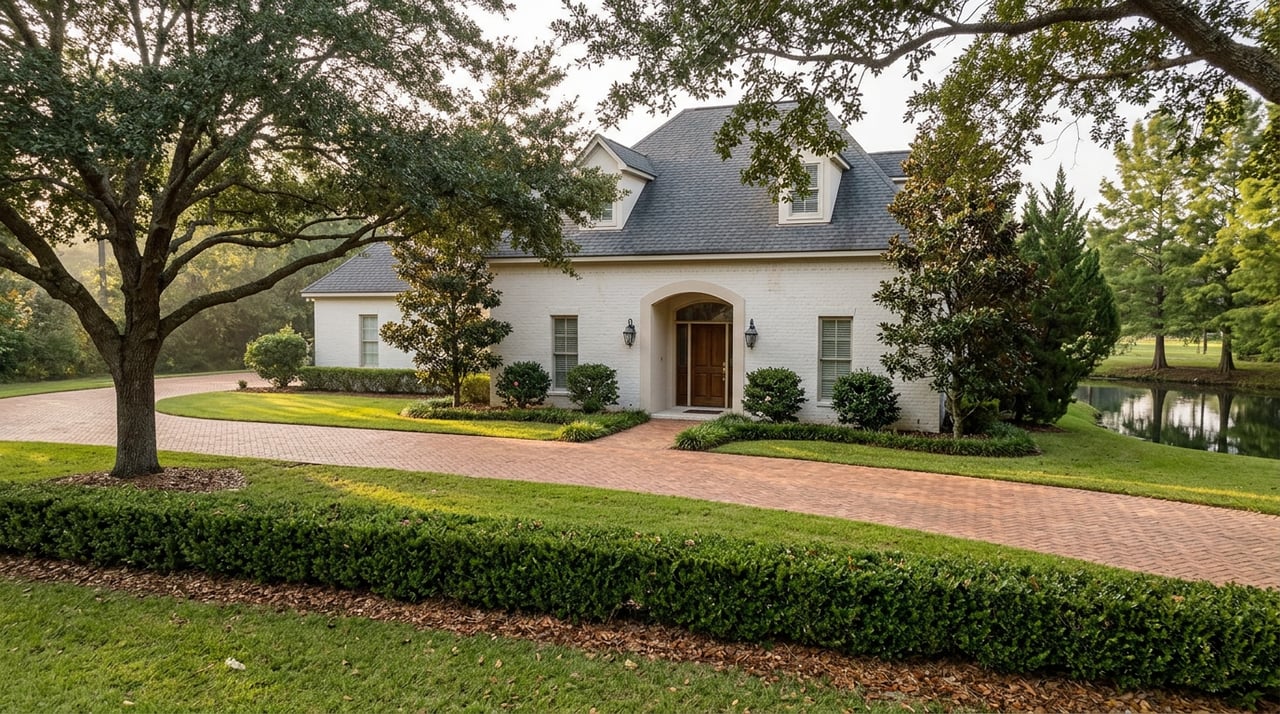
That history matters here because Mallard Lakes sits on the same road those men built their escape route on. The neighborhood's own character, gated entry, a 30-plus acre lake at its center, home sites running from about four acres up past sixty, was built on the same premise the club was: distance from the city, without giving up easy access to it. The approved Woodhill development is near the intersection where Hoo Shoo Too meets South Tiger Bend Road.
Development Near the Corner
In April 2022, East Baton Rouge's Metro Council voted 8 to 3 to rezone land near that intersection from agricultural rural to residential, clearing the way for what became known as the Woodhill Subdivision, nearly 200 single-family homes on roughly 60 acres that had sat undeveloped. An Advocate report said the Planning Commission's own staff had recommended denial, arguing the project didn't match the area's rural character of larger homes on wide lots. The Metro Council approved the rezoning anyway.
The opposition wasn't about aesthetics. About 30 percent of the property falls within a flood zone, and the land abuts Bayou Manchac, a waterway city officials have identified as still needing flood mitigation work even during ordinary heavy rain. Residents who'd lived through the 2016 floods showed up to describe what more rooftops and more pavement could mean for water that already has trouble finding somewhere to go.
"I was very disappointed in the lack of discussion and seemingly lack of concern from constituents about the case."
That's Councilman Dwight Hudson, who represented the area, reacting in an Advocate report to how little debate the rezoning actually got before it passed. The developer had commissioned its own traffic study, not required by the parish, and concluded the project wouldn't need significant upgrades where Hoo Shoo Too meets the state highway. How traffic conditions may change with construction and daily trips from the new homes remains to be seen.
Road Plans for the Hoo Shoo Too Corridor
Hoo Shoo Too Road is listed on East Baton Rouge's MOVEBR capital improvement program, the parish's long-running effort to widen and modernize its most strained corridors. When the Woodhill rezoning was under debate back in 2022, the road carried a Tier 3 classification, the tier with no confirmed start date, a designation that has a track record in this parish of stalling out entirely under prior improvement plans before eventually moving forward. Four years later, MOVEBR's own project page for the stretch of Hoo Shoo Too Road from Jefferson Highway to Tiger Bend still does not list a construction timeline.
The Woodhill rezoning allows nearly 200 homes near this intersection, while the road still has no listed widening timeline. The road is also relevant to Mallard Lakes because the neighborhood's own entrance sits on it.
A New Coffee Shop at the Corner
Retail is also arriving around Hoo Shoo Too Road. This summer, Café Verdino opened in a shopping center right at the corner of Jones Creek and Tiger Bend roads, the intersection closest to Mallard Lakes' gates. Owner Ege Oral said he'd noticed there wasn't a coffee house in the immediate area and built one with a Mediterranean lean, Lavazza espresso, Torani syrups, and a green-toned interior that gives the shop its name. The menu runs toward the straightforward end on purpose. Oral has said his preference is for classic drinks made well rather than elaborate ones, and the breakfast and lunch options, egg-and-cheese biscuits, tartines, a Greek-style salad, are built around the same idea.
It's a small thing, one coffee shop in a strip center, but it's also a signal. New retail tends to follow rooftops, not the other way around, and a first-time entrepreneur opening his first business at this particular corner is a bet that more people are going to be driving past it soon.
For longtime residents, that new counter sits down the road from an older anchor. Jones Creek Cafe & Oyster Bar, a seafood spot known locally for its fried oyster and softshell crab po-boys, has been a fixture in the Hoo Shoo Too, Long Farm, and Hunter's Glen area long enough that Nextdoor neighbors list it as their default recommendation when someone asks where to eat nearby. The contrast between an established po-boy counter and a brand-new espresso bar a few minutes apart is a fair snapshot of where this corridor is right now: old habits still holding, new commerce arriving to meet demand that hasn't fully shown up yet.
What This Actually Means If You Live Here
None of this changes what Mallard Lakes is today. The gates are still there, and the 30-plus acre lake at the center of the property still belongs to the same handful of estate lots it always has. What's changed is the road those gates open onto. It carries a name born from wanting distance from town, and it now connects Mallard Lakes with areas where residential development has been approved.
If you've noticed more cars at the Tiger Bend intersection, or a new coffee shop where there used to be an empty storefront, you weren't imagining a shift. You were watching the early, unremarkable part of one. Whether the parish schedules widening of Hoo Shoo Too Road before Woodhill's homes are all occupied is one detail to watch over the next few years, alongside how development may affect activity along the corridor.
If you're curious how corridors like this one tend to evolve, or what a road's history can tell you about where it's headed next, Del Rio Real Estate has spent decades tracking exactly these kinds of shifts across Baton Rouge's established neighborhoods. Schedule a private consultation when you're ready to talk through what you're seeing.