Type "Bocage home prices" into one real estate site and you get a median of $345,000. Adjust the filter on that same site to show only listings without an HOA and the median for the same neighborhood drops to $215,500, down 15 percent from a year earlier. Same name. Same season of data. A gap of $130,000.
The instinct is to assume one of those numbers is wrong, or that the market swung wildly in a matter of months. Neither is the real story. Bocage and its neighbor Jefferson Place are not one housing market wearing one name. They encompass several distinct housing types under overlapping place names that search tools now try to summarize with a single figure.
A Name That Outgrew Its Own Streets
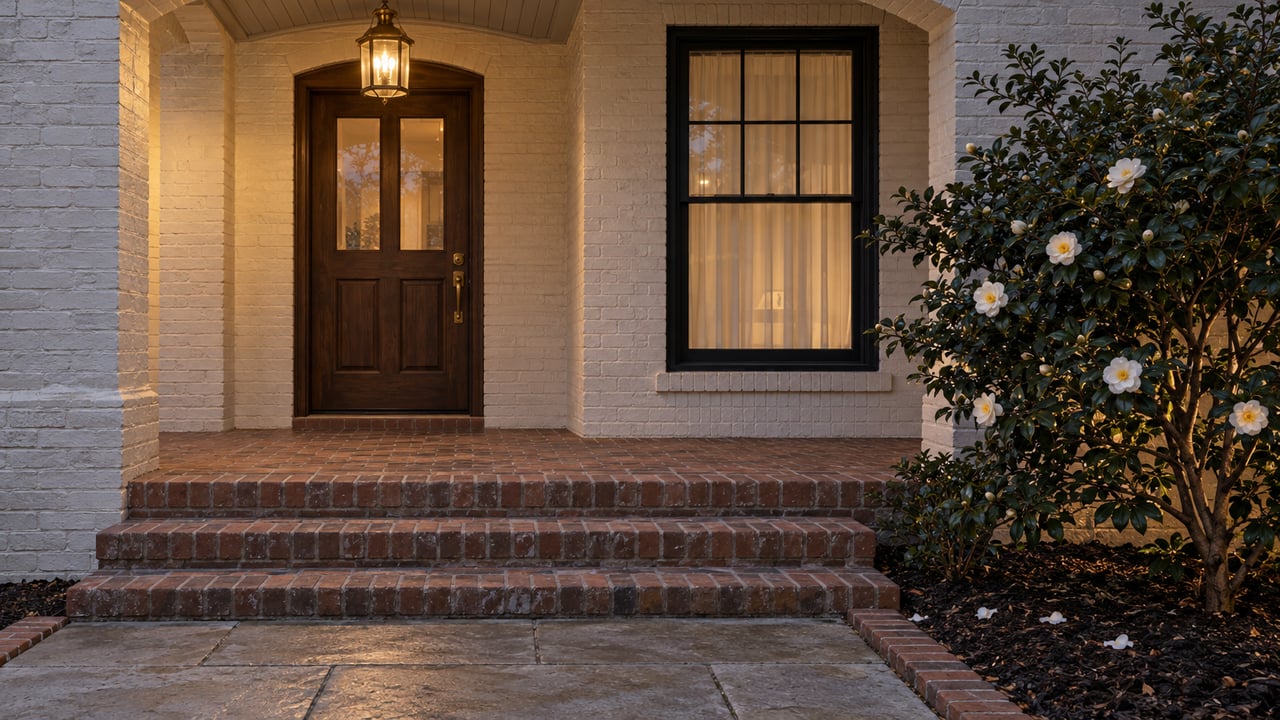
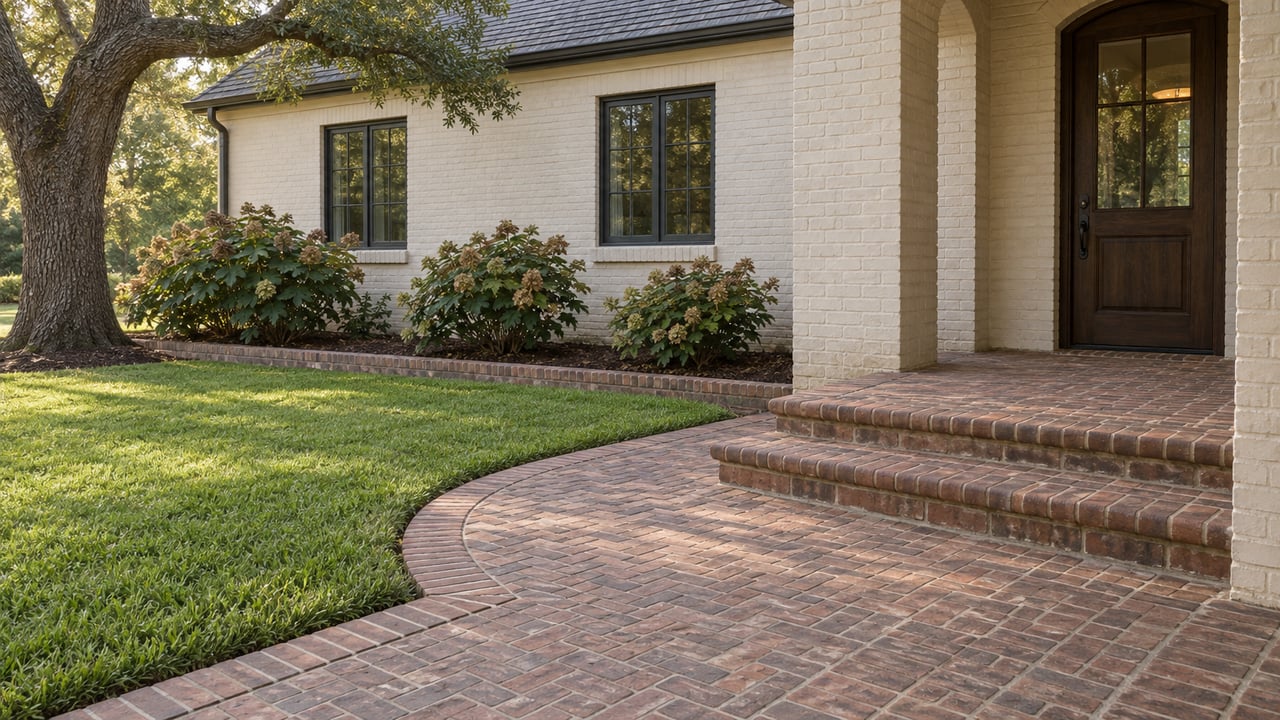
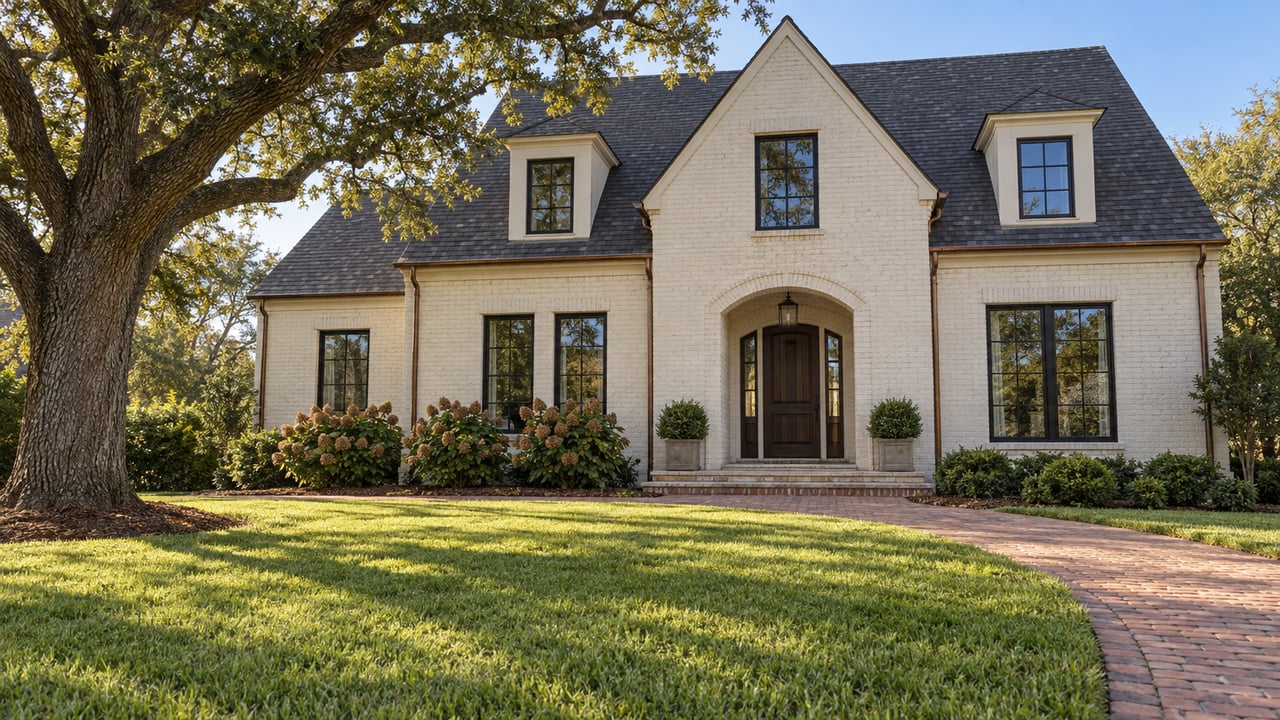
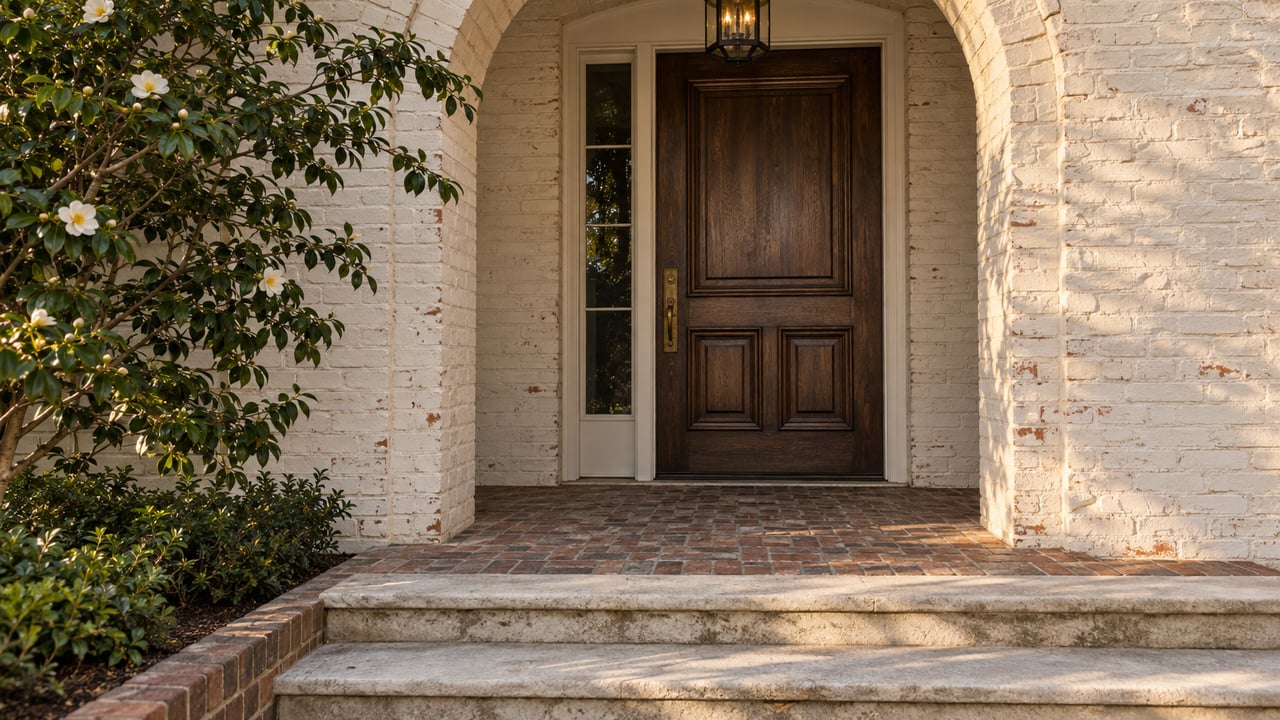
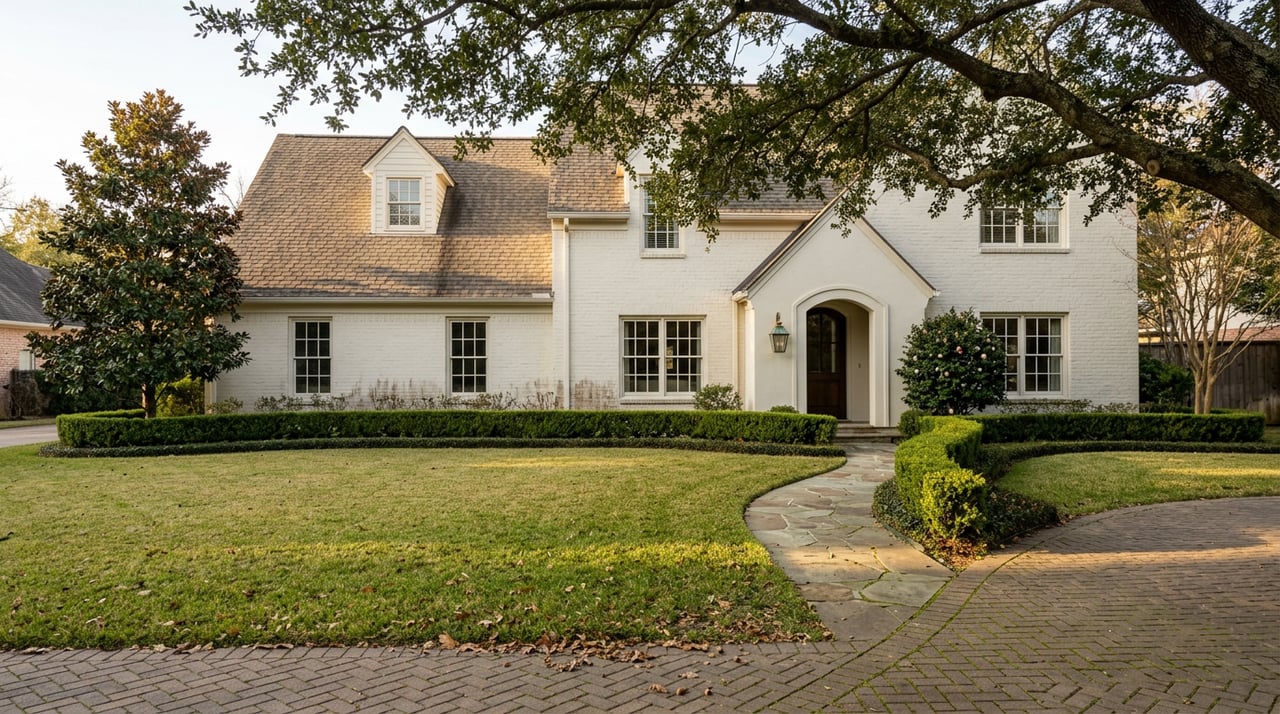
Jefferson Place was developed in the mid-20th century during Baton Rouge's postwar growth, making it one of the city's earliest upscale residential communities built outside the downtown core. It sits southeast of Old Goodwood and Webb Park, its brick ranch homes laid out on quiet, tree-lined streets. Over the following decades, the surrounding area filled in around it: the legacy estate lots that carry the Bocage name and the gated Bocage Lake enclave built around a private waterfront. Search tools and listing aggregators, built to summarize neighborhoods with a single median, now have to compress all of that into one line of text.
The result is a name doing more work than any single number can carry.
Three Products, One Search Term
Here is what actually sits inside the label most people simply call "Bocage."
| Micro-Market | Housing Stock | Price Signal (as of August 2026) | What Sets It Apart |
|---|---|---|---|
| Original Jefferson Place streets | Postwar brick ranch homes, often without an HOA | Median near $215,500, down 15% year over year | Streets like McConnell and Torrance drives, close to Towne Center at Cedar Lodge, Whole Foods, and Trader Joe's |
| Legacy Bocage estates | Half-acre-plus lots, mature live oaks, some designed by architects including A. Hays Town | Folded into a blended $345,000 median, though individual estate sales run well above it | Walking distance to Bocage Village and the Baton Rouge Country Club |
| Bocage Lake (gated) | Waterfront lots built around a private lake off Corporate Boulevard near Citiplace | Price floor in the low to mid $400,000s, ceiling past $1.5 million | Roughly 10 to 15 waterfront lots ring the lake |
Each of these is a real, distinct product. A half-acre estate lot near the Bocage Racquet Club has almost nothing in common with a postwar brick ranch on the original Jefferson Place streets beyond sharing that search term. Yet both get counted whenever a data tool pulls "Bocage" or "Jefferson Place" as a single neighborhood.
Why Blending Distinct Markets Produces a Number That Fits None of Them
A median only tells you something useful if the properties feeding it resemble each other. Fold these distinct products into one sample and the resulting number describes an average that no actual home matches.
Look at what likely happened between those two figures. The $215,500 median came from a search filtered to exclude HOA-governed properties. That filter would drop Bocage Lake's gated waterfront lots out of the sample entirely, leaving mostly the older, non-HOA ranch stock from the original Jefferson Place streets. The $345,000 figure, pulled without that filter, blends the legacy estates back in and pulls the number upward. Neither is inaccurate. Each is answering a narrower question than the neighborhood name suggests.
Set both against the wider market for context. Earlier in 2026, the Greater Baton Rouge Association of Realtors reported a parish-wide median sale price of $278,500 for February, up 7.2 percent from the year before. That figure sits almost exactly between the two Bocage numbers reported months later, which is itself a signal. A $130,000 spread inside one neighborhood name is wider than the typical year-over-year swing for the entire parish. That is not market volatility. That is several markets treated as one.
Broader appreciation trends for the metro area, tracked over time by the Federal Reserve's home price index for Baton Rouge, show the kind of steady upward drift you would expect for an established Southern city. That index confirms the parish has been climbing. It does nothing to resolve which Bocage a buyer is actually pricing, because a metro-wide index was never built to distinguish a ranch home on McConnell Drive from a waterfront lot on Bocage Lake.
What This Means When You Sit Down to Compare
For a buyer trying to decide whether Bocage fits the budget, or a seller trying to understand where a specific lot lands, the neighborhood-level median is a starting point at best. What actually matters is the comp set underneath it. Before relying on any number pulled for this area, ask your agent to walk through a few questions.
- Which streets or subdivision plat do these comps actually come from, not just which neighborhood label they carry.
- Is HOA status filtered in or out of the comparison, since that single toggle can swing the reported median here by six figures.
- Does the sample distinguish among ranch homes, estate lots, and gated waterfront properties, which can follow different pricing curves.
- For an estate-lot sale, are comps limited to similarly sized parcels, since a half-acre lot near Bocage Village rarely shares a market with a quarter-acre lot two streets away.
None of these questions require distrust of the data. They require treating "Bocage" the way it actually functions on the ground: as a shorthand for several markets, not one.
A Direct Question
So which figure is the real median for Bocage, the $215,500 or the $345,000? Neither, taken alone. Both are accurate descriptions of different slices of the same overlapping name. The number worth trusting is the one built from comps that match the specific lot size, HOA status, and housing type actually in question, not the label on the search bar.
Bocage and Jefferson Place reward buyers and sellers who look past the headline number and ask what it is actually built from. That kind of comparison takes local familiarity with which streets sit inside which micro-market, and it is exactly the conversation worth having before an offer goes in or a listing goes live. Del Rio Real Estate has spent decades tracking these distinctions street by street across Baton Rouge. If you are weighing a move into this part of town, schedule a private consultation and we will walk through the comps that actually apply to the home you have in mind.