Have you ever wanted a Baton Rouge neighborhood that feels creative, lived-in, and easy to explore one stop at a time? Mid City stands out for exactly that reason. If you are drawn to local coffee shops, independent restaurants, gallery spaces, and older homes with visible history, this area offers a mix that feels distinct within the city. Let’s take a closer look at what gives Mid City Baton Rouge its art, food, and character.
What Makes Mid City Distinct
Mid City is often described as one of Baton Rouge’s more eclectic and energetic areas, with a strong concentration of local businesses, cultural spaces, and neighborhood events. It is also recognized through the Mid City Cultural District, which helps reinforce its identity as a creative hub within the city.
Part of that character comes from how the neighborhood developed. Baton Rouge planning documents note that the city’s earliest neighborhoods grew as extensions of downtown on connected streets, with a more pedestrian-oriented pattern than later suburban development. In Mid City, that translates into shorter trips, more visible street life, and a sense that daily errands and weekend outings can overlap.
Mid City Everyday Lifestyle
Mid City feels less like a single destination and more like a place you return to throughout the week. Local businesses, organizations, and artists help shape that rhythm, creating an environment where coffee, shopping, dining, and events sit close together.
For you as a buyer or a local explorer, that means the neighborhood experience is built on variety and convenience. Instead of one major attraction, Mid City offers a layered lifestyle where independent businesses and older blocks work together to create a stronger sense of place.
Mid City Food Scene
Food is a major part of Mid City’s identity. Visit Baton Rouge highlights a wide range of independently owned spots in the area, including Anthony’s Italian Deli, Barracuda Taco Stand, Boru Ramen, City Roots Coffee Bar, Elsie’s Plate and Pie, French Truck Coffee, Hannah Q Smokehouse, JED’s Local Louisiana Po’Boys, La Carreta, Leola’s Café & Coffee House, MJ’s Café, Mid City Beer Garden, and Monjunis Italian Café and Grocery.
That range matters because it shows how the neighborhood functions day to day. You can find coffee, brunch, barbecue, po’boys, tacos, ramen, seafood, and casual drinks within the same broader area, which gives Mid City an easy, repeat-visit appeal.
Coffee, Casual Meals, and Nightlife
Mid City’s food story also connects to how people spend time after work or on weekends. Visit Baton Rouge points to places like Radio Bar, BR.cade, Circa 1857, and Red Stick Social as part of the area’s nightlife and social scene.
This creates a neighborhood pattern that feels active without relying on one single corridor or one signature restaurant cluster. You may stop in for coffee one day, meet friends for dinner another night, and return later for drinks, shopping, or an event.
Arts and Creative Energy
Mid City’s creative identity shows up in both formal gallery spaces and everyday storefronts. The area includes places such as Elizabethan Gallery, Frame Works Gallery, Taylor Clark Gallery, Ann Connelly Fine Art, and Baton Rouge Gallery, Center for Contemporary Art.
At the same time, Mid City’s visual character extends beyond gallery walls. Baton Rouge tourism resources also point to murals along Government Street, which add to the neighborhood’s texture and reinforce the sense that art is woven into the public-facing experience of the area.
Shopping with Local Character
Mid City’s independent retail mix helps support that creative feel. Stops listed in local guides include Mimosa Handcrafted, Red Stick Reads, Red Stick Spice Company, The Exchange, Time Warp Boutique, and Pink Elephant Antiques.
For you, that means shopping in Mid City often feels personal and place-specific. The businesses reflect local taste and small-scale entrepreneurship, which helps the neighborhood feel more curated than conventional.
Events That Shape the Neighborhood
Mid City’s identity becomes even more visible during local events. Mid City Merchants highlights Hot Art Cool Nights as a spring arts-and-culture festival and White Light Night as Mid City’s largest art festival.
Visit Baton Rouge also notes that White Light Night turns Government Street into a holiday shopping and dining corridor. That is a helpful clue to how the neighborhood works at its best: businesses, art, dining, and street activity all reinforce one another.
Why Events Matter for Daily Life
These events are not separate from the neighborhood’s identity. They reflect what is already present year-round, including local retail, dining, galleries, and a walkable pattern of activity.
If you are considering a move, that matters because special events often reveal the deeper personality of a place. In Mid City, they highlight continuity between everyday life and community culture rather than creating a one-time festival atmosphere from scratch.
Historic Housing and Neighborhood Texture
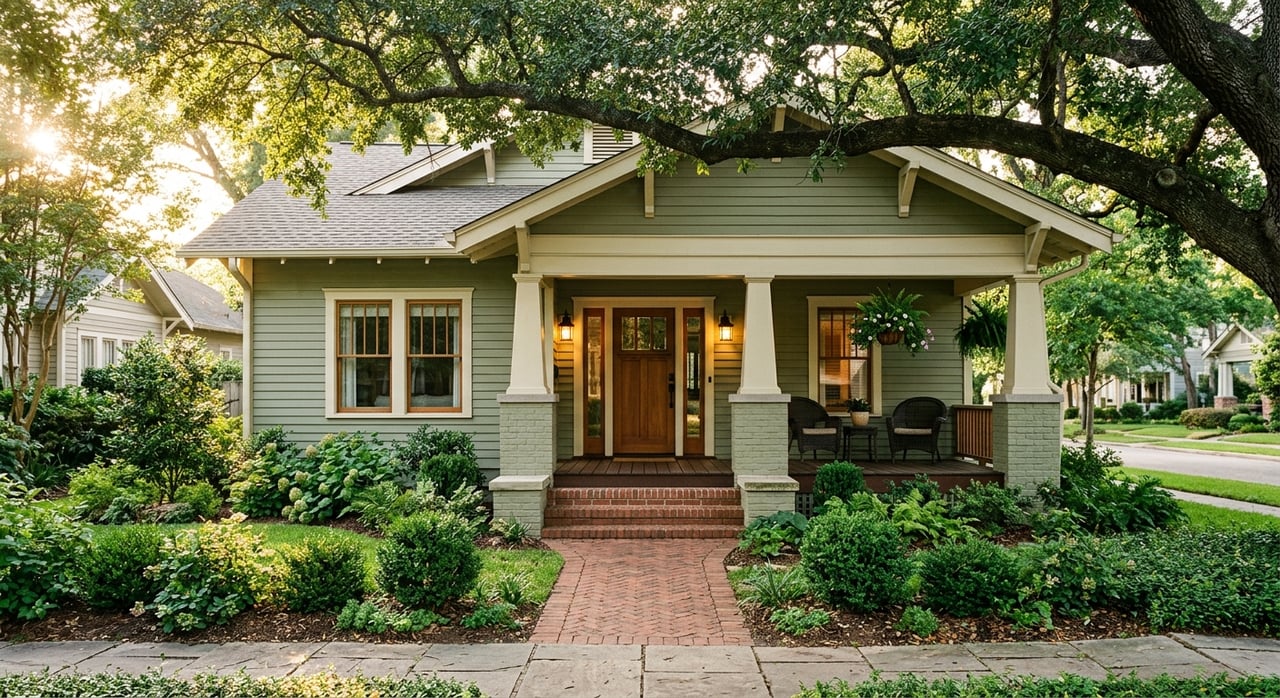
Mid City’s appeal is also tied to Baton Rouge’s older housing stock. City-Parish planning documents note that Baton Rouge retains a significant amount of historic housing from the early 1900s and that maintaining and rebuilding older neighborhoods is an ongoing priority.
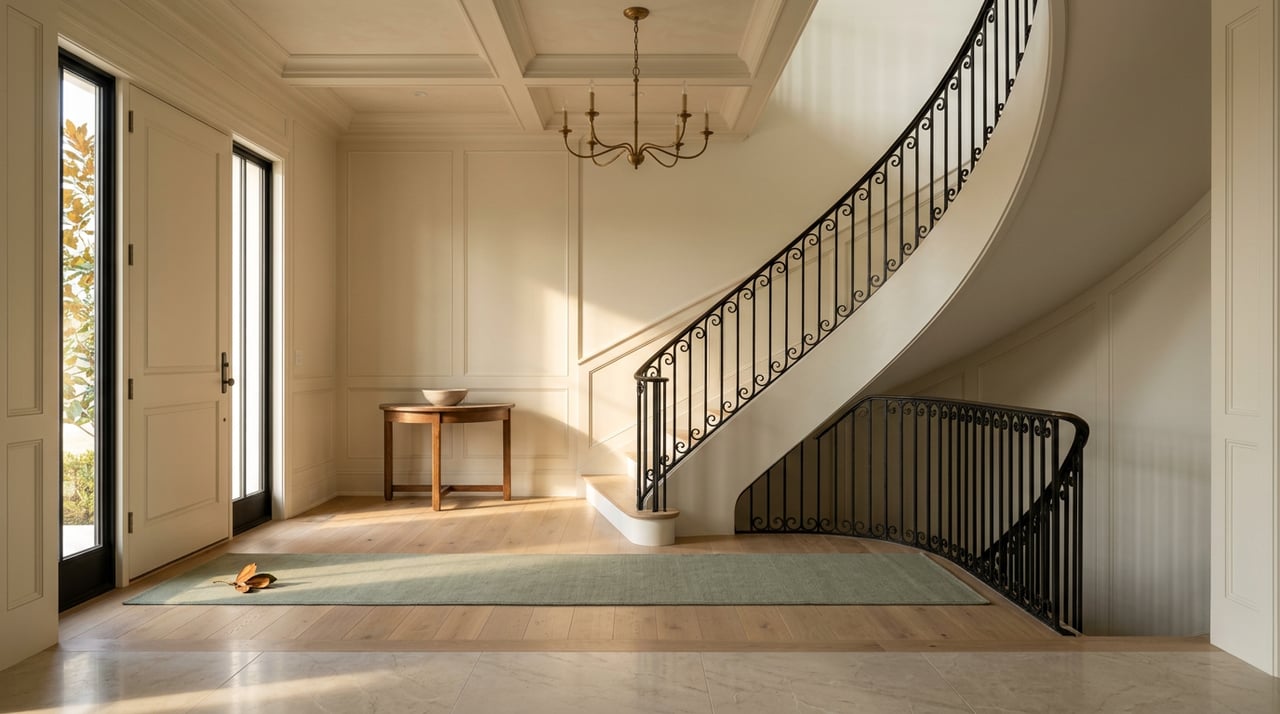
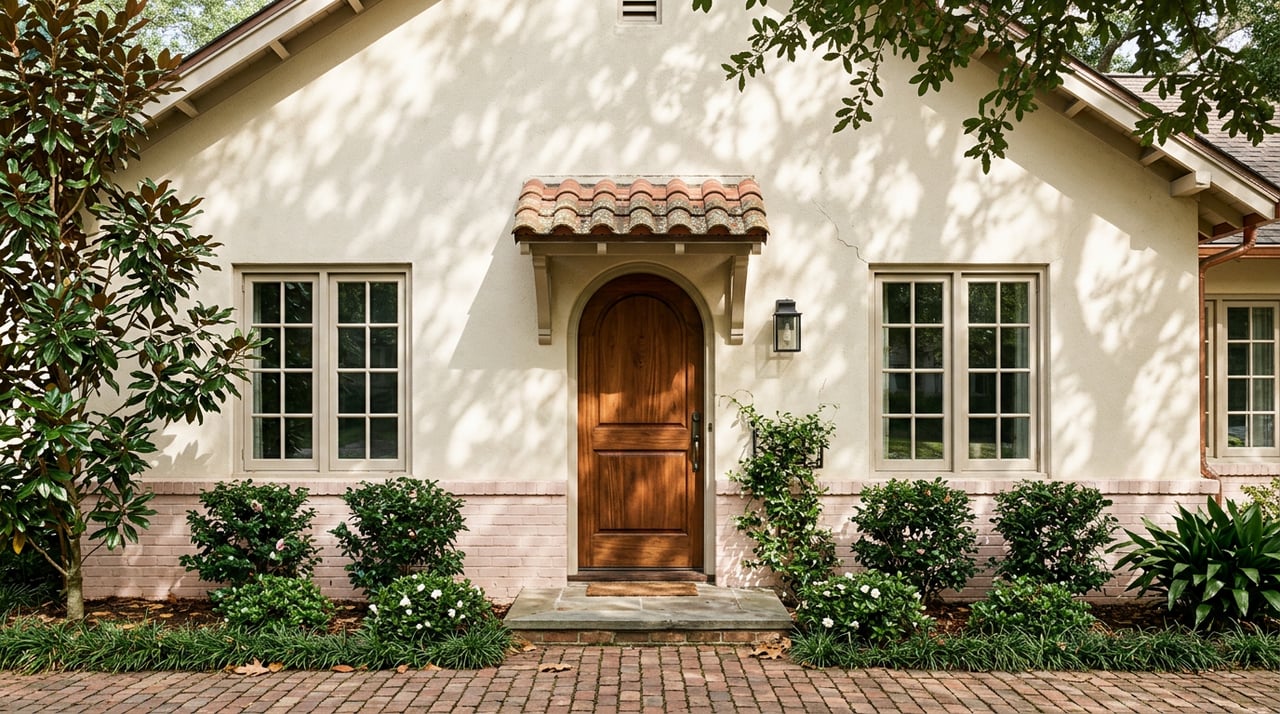
That helps explain why Mid City feels different from newer areas. Older homes, mature trees, established streets, and reinvestment in existing blocks all contribute to the neighborhood’s visual identity.
Architectural Context Nearby
Baton Rouge’s historic district information provides useful context for the kinds of architecture that shape older neighborhoods in and around this part of the city. Drehr Place is described as a well-preserved neighborhood with many homes built before the Great Depression, including Classical Revival, Colonial Revival, Craftsman, and Bungalow styles, along with mature live oaks, rear alleyways, and smaller lots.
The city also describes Spanish Town as Baton Rouge’s oldest neighborhood, with narrow streets, irregular blocks, and a mix of Greek Revival, Queen Anne, shotgun houses, and Craftsman bungalows. Together, these descriptions help explain the broader architectural vocabulary that makes older Baton Rouge neighborhoods feel textured and distinctive.
Renovation and Preservation in Mid City
In Mid City, renovation is part of the story, not a side note. Baton Rouge planning priorities emphasize maintaining and rebuilding older neighborhoods, which aligns with the reinvestment many buyers notice when they spend time in the area.
The city also makes an important distinction between National Register districts and local historic districts. According to the City-Parish, local designation is what adds design controls, and a Certificate of Appropriateness is required for exterior changes visible from a public street in a locally designated historic district or landmark, unless the work is ordinary maintenance and repair.
What Buyers Should Keep in Mind
If you are considering an older home in or near Mid City, it helps to understand that character often comes with added planning. Exterior improvements may involve review requirements depending on the property’s designation.
At the same time, preservation-minded reinvestment is part of what protects the neighborhood’s feel. City and community efforts also show that repairs, energy-efficiency updates, and compatible infill development can all play a role in supporting the area’s long-term continuity.
Why Mid City Appeals to Many Buyers
Mid City tends to resonate with buyers who want more than square footage alone. The neighborhood offers a combination of local business density, creative energy, visible history, and reinvestment that can be hard to replicate in a more suburban setting.
You may be drawn to the area if you value independent dining, cultural activity, and established streets with architectural texture. Mid City’s appeal is not about being perfectly polished. Its character comes from continuity, variety, and the steady overlap of old and new.
Exploring Mid City with a Local Perspective
When you explore Mid City, it helps to look beyond any single restaurant or event. Pay attention to how the blocks connect, how older homes sit near local businesses, and how art and commerce share space in everyday life.
That broader view often gives you the clearest picture of the neighborhood’s value. In Baton Rouge, Mid City stands out because its culture is not confined to one venue. It is built into the streets, the storefronts, and the ongoing care invested in the area.
If you are thinking about buying or selling in Baton Rouge and want thoughtful guidance on neighborhoods with lasting character, Del Rio Real Estate is here to help with refined local insight and personalized service.
FAQs
What is Mid City Baton Rouge known for?
- Mid City is known for its mix of local restaurants, coffee shops, galleries, murals, independent retail, neighborhood events, and older housing stock.
What kinds of restaurants are in Mid City Baton Rouge?
- The area includes a wide range of independently owned spots, with options such as coffee shops, brunch, barbecue, po’boys, tacos, ramen, seafood, and casual drinks.
What arts and cultural attractions are in Mid City Baton Rouge?
- Mid City includes gallery spaces, murals along Government Street, maker-oriented shops, and major neighborhood events such as Hot Art Cool Nights and White Light Night.
What gives Mid City Baton Rouge its character?
- Its character comes from the overlap of connected older streets, historic homes, local businesses, creative spaces, and ongoing reinvestment in established blocks.
What should buyers know about older homes in Mid City Baton Rouge?
- Buyers should know that older homes are a key part of the area’s appeal, and some properties may be affected by local historic district rules for visible exterior changes.
Is Mid City Baton Rouge walkable for daily outings?
- Baton Rouge planning documents describe older neighborhoods like this as more connected and pedestrian-oriented, which helps support short trips and visible street life.